Was this the last Jacob’s Ladder ever?
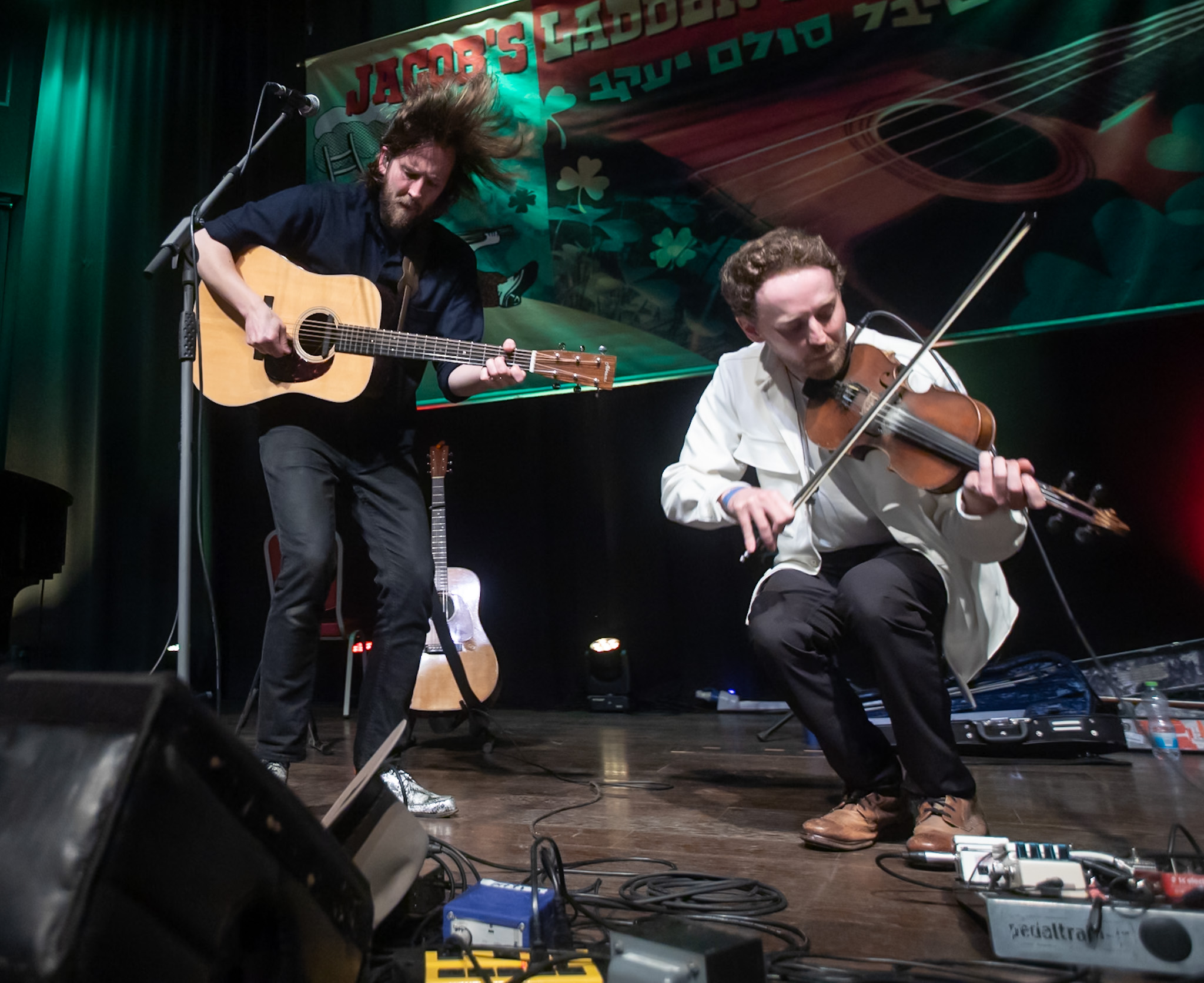
Festival founders Yehudit and Menachem Vinegrad are staying mum. It really depends on whether they broke even on the weekend held this year between Yom Kippur and Sukkot.
Being a chutzpadik Israeli, I asked Menachem and Yehudit point-blank.
“We’re British!” Menachem protested. “We don’t talk about such things!”
Yehudit did share that the weekend was nearly entirely sold out, which is a good sign. But Jacob’s Ladder, the three-day extravaganza of country, bluegrass and indie pop that was held for dozens of years in the early summer, most recently at Kibbutz Nof Ginosar on the Sea of Galilee, has had some challenging ups and downs since Covid-19 led to the festival’s cancelation in 2020, followed by the years of war with Iranian proxies starting in October 2023 that left Israel’s north bereft of residents – let alone festival-goers.
2025’s reconstituted festival was held not on the expansive lawns of Ginosar, but at the tony Pastoral Hotel at Kibbutz Kfar Blum. Lush grounds, gorgeous rooms, and a proper concert hall – indoors – transformed the festival into a more high-end experience.
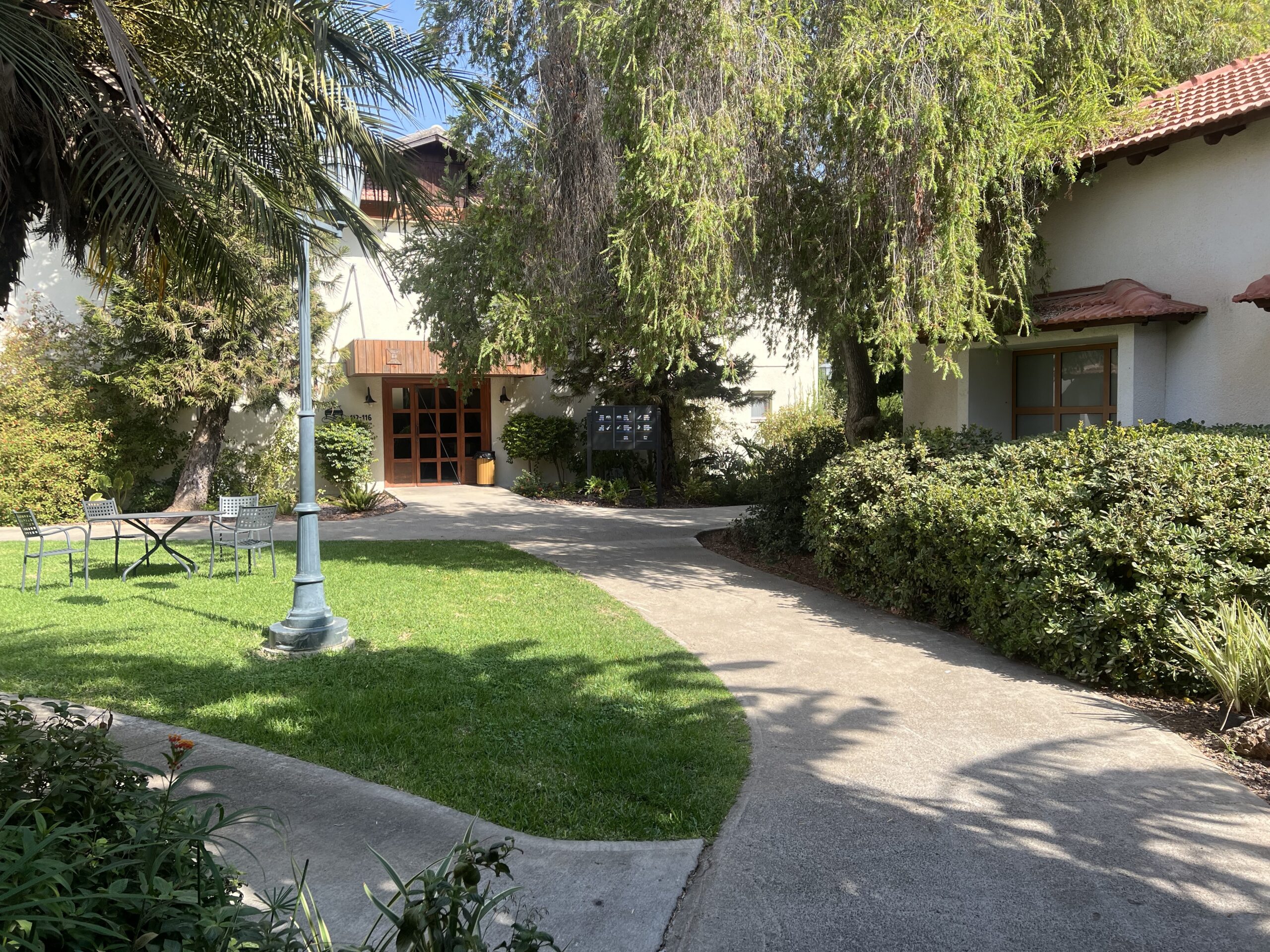
That had its pros and cons: No more sweating in 36-degree humidity; the hall was air-conditioned to a frighteningly cold setting (we had to wear sweaters, and we were still shivering).
But the higher priced tickets and a prohibition on camping at the kibbutz (which constituted the main “accommodations” at Ginosar), along with a limit of 500 attendees at Kfar Blum (compared with Ginosar, which would regularly attract close to with 3,000 attendees) meant that this was a more geriatric crowd.
We did our best to bring the age range down.
One thing we’ve always loved about what’s been dubbed “Israel’s friendliest festival” was its multigenerational flavor – and so we were delighted when our daughter and son-in-law came with their two toddlers in tow. They may have been too young to really appreciate the panoply of bands appearing on stage, but the soap-filled bubble-wand stations on the lawn outside kept their attention.
Another difference – also in the “pro” column – between this scaled-back festival and its predecessors: There was no need to “split.” Rather than three stages offering up multiple acts at once, there was just the single indoor one, so you didn’t need to miss out on a new discovery.
And discoveries there were a plenty.
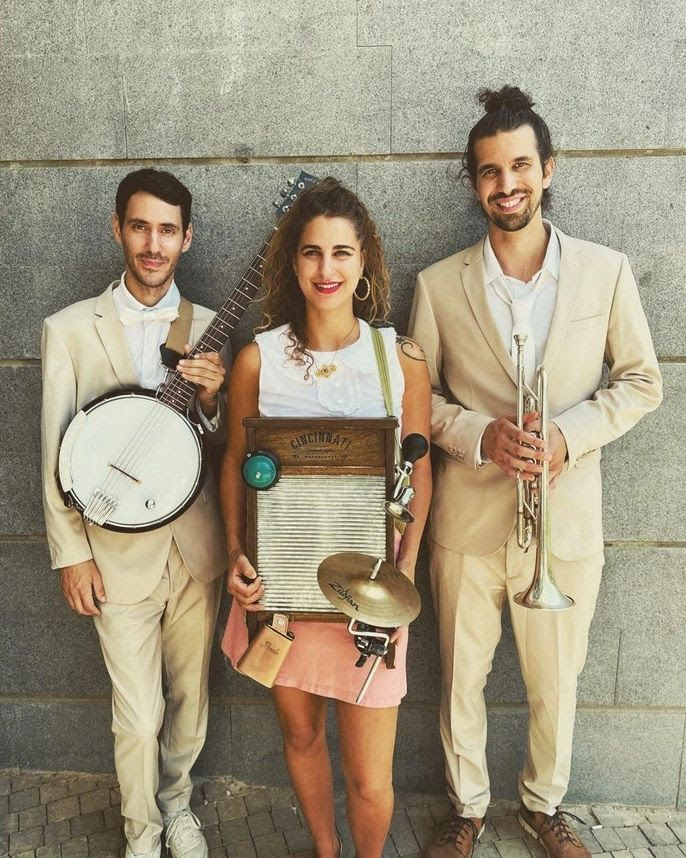
Before we even made it to the main hall, a three-piece Dixieland jazz band, the Speechless Band, played classic pop tunes (think “Stand by Me”) in a funky New Orleans style while we lined up to enter the hotel’s dining room for dinner. It was a joy to watch our nearly two-year-old granddaughter, Roni, dancing with her mother to Guy Gurevich’s expressive trumpet.
The highlights of Friday night’s performances included the five-piece Black Velvet, which has specialized in Irish and Celtic music since they debuted at Jacob’s Ladder in 1980. The band hosted guest musician Ronit Shahar, whose guitar-driven indie folk leanings blended well with Black Velvet’s banjos and flutes. Shahar has seven albums out (including the 1996 hit “Ahuv Yakar” – “Loved one”), so she may not be a true “discovery” for everyone!
Black Velvet was followed by the Rusties, a Neil Young cover band, that takes its name from Young’s iconic 1979 “Rust Never Sleeps” album. Lead singer Dan de Jong channels Neil Young quite nicely, but it was bassist Tzili Yanko who, by adding a female voice, transformed the Rusties into more of a Neil Young “re-interpretation ensemble” than your typical tribute group.
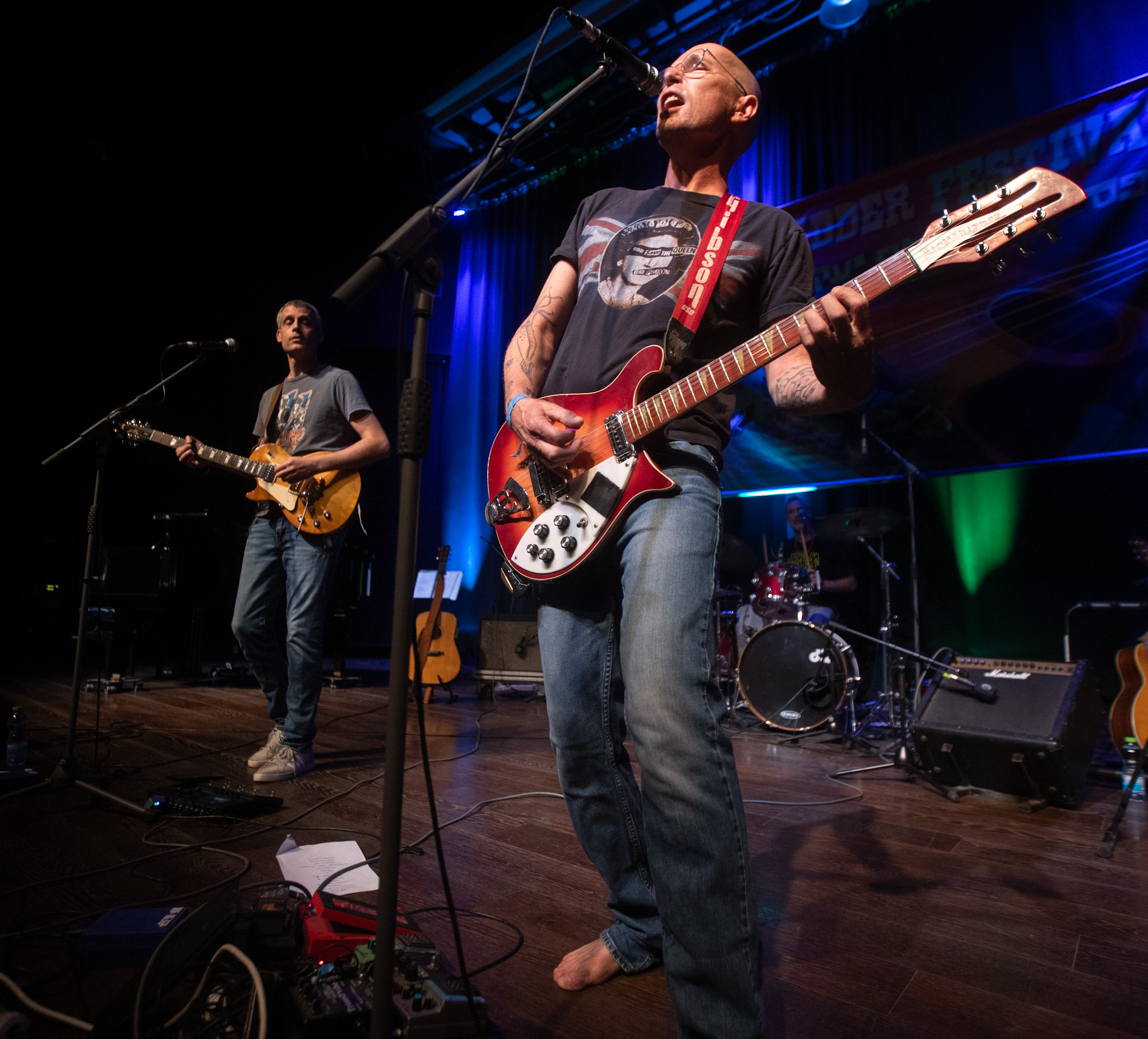
Yanko has for years played guitar and sung backup vocals in Shlomo Artzi’s band. The Rusties’ performance was divided into two – the first half classic Neil Young acoustic songs (“Harvest Moon”) followed by a harder-rocking electric set (“Hey Hey, My My”).
The next day’s standouts included gospel singers Maple and the Ecosystem, whose band members parade on stage in gospel robes while pushing a message of ecological awareness; Shai Tochner and friends Gabriella and Abigail Lewis performing folk rock covers; and Yair Dalal and the Good Band, who combine the Iraqi folk music Dalal grew up with at home with Western classical music.
The festival closed with my personal favorite: the Abrams, the bluegrass turned country-pop duo, returning for a triumphant seventh visit to Jacob’s Ladder from their native Canada. The Abrams were the only band to come from overseas, and they made a point of showering the crowd with love and support – something we’ve been in dire need of as Israel is pilloried by the world media and boycotted by artistic communities.
There’s a special connection between our family and the Abrams: When Jacob’s Ladder was hosted at Ginosar, the Abrams would meander down to the beach to jam with the young people – including our kids. We’ve stayed in touch, and John and James Abrams have followed my cancer journey online. (Indeed, being able to attend Jacob’s Ladder was, for me, a personal celebration after the last hellish health year.)
Still, we were shocked – and delighted – when they gave our family a shout out from the stage – pointing to the very intergenerational mixing our family was so proud to continue.
The festival, as always, included Menachem’s corny jokes between sets. The best this year? “What do you call a fake noodle?” “An impasta.”
It’s unlikely that Jacob’s Ladder will be back for its former summer extravaganzas. But we can hope that the weekend at Kfar Blum was enough of a success that the Vinegrads will not be able to say good night just yet.
I first reviewed the possible “last” Jacob’s Ladder for The Jerusalem Post.